Educational Guides & Research
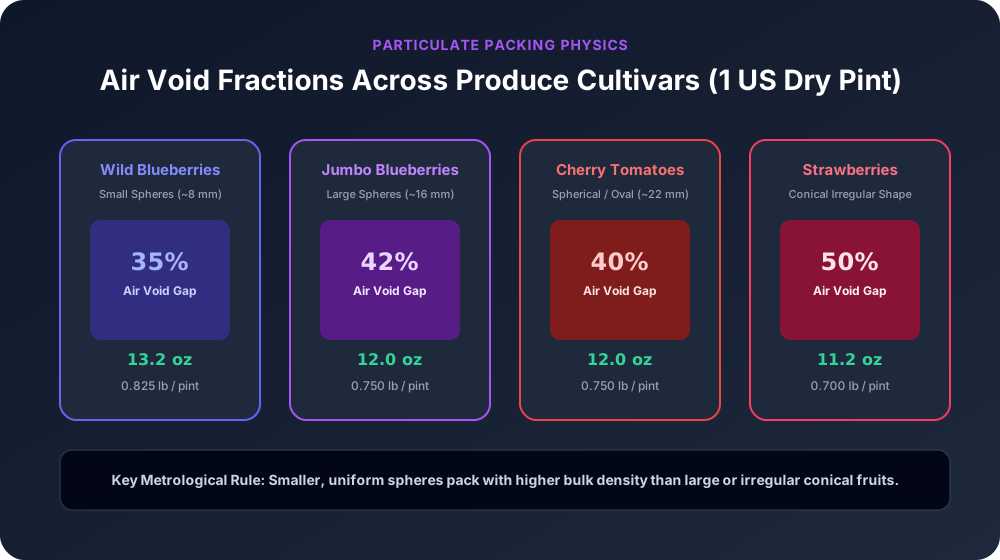
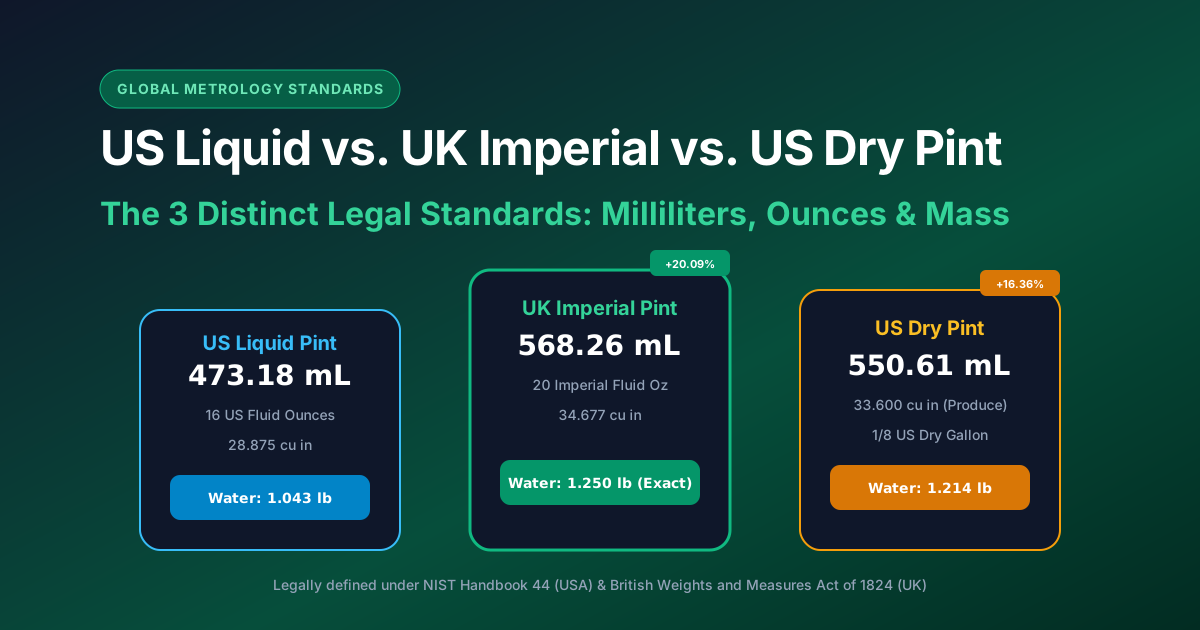
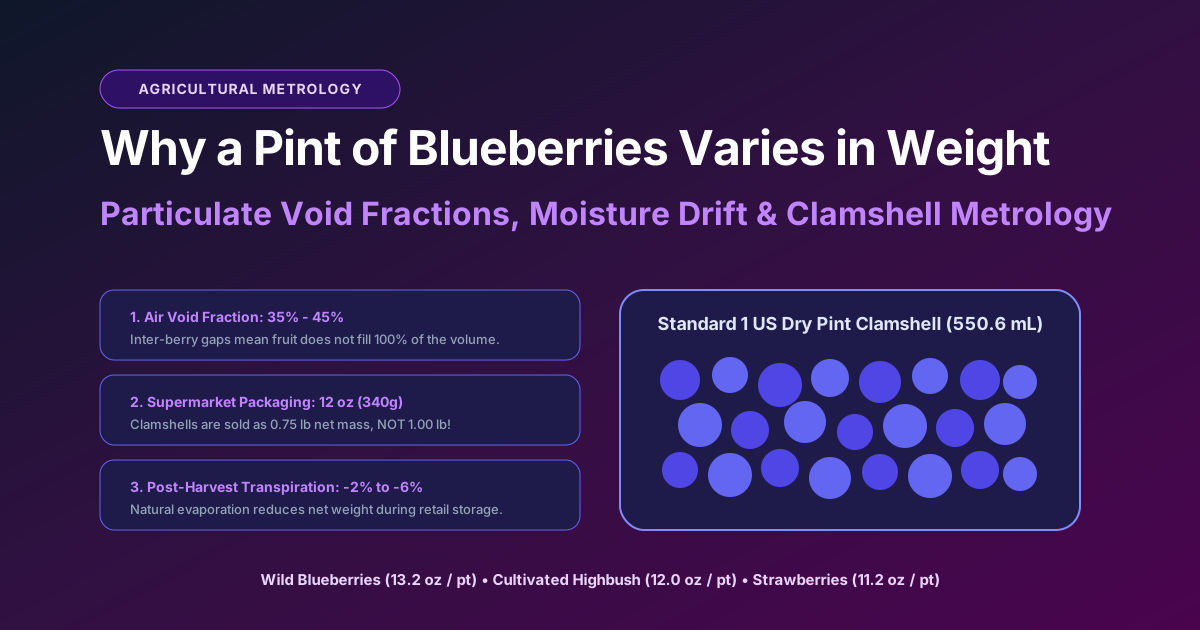
Peer-reviewed research and practical culinary guides exploring volume-to-weight conversions, historical weights-and-measures legislation, and produce packing geometry.
Showing 1–4 of 4 research guides
🔬 Why We Research Volume-to-Weight Conversions
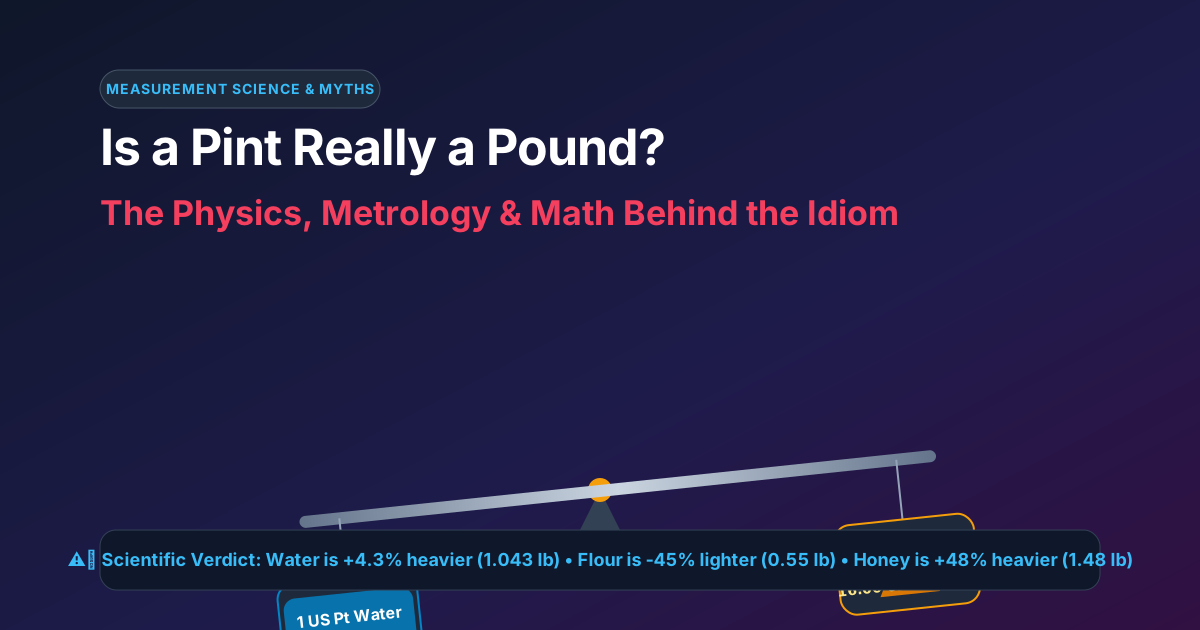
In commercial baking, home canning, and international culinary trade, relying on volume measurements leads to compounding errors. A measuring cup or pint jar measures spatial volume, not mass. Our research series breaks down the physics of thermal expansion, the agricultural standards governing dry produce containers, and the transatlantic legal schisms that split British and American pints.